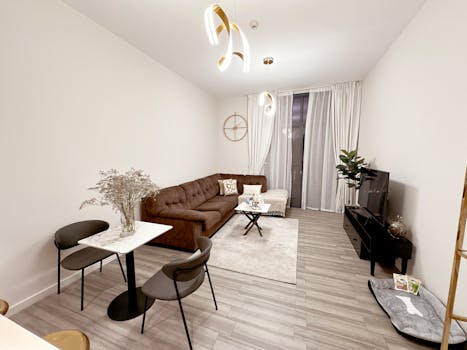
The familiar feeling: the family grows, hobbies expand, or a parent moves in, and suddenly, your home feels a little too cozy. The dream of a new bedroom beckons, but the prospect of a costly, disruptive major extension can be daunting. What if I told you that gaining that much-needed extra room doesn’t always require tearing down walls and emptying your savings? In my experience, many homeowners overlook the clever, space-saving solutions available. It’s about thinking smarter, not bigger.
Let’s dive into how you can achieve the magic of adding a bedroom without the headache of a full-blown construction project.
Rethinking Your Existing Footprint: The Power of Transformation
Before you even consider external changes, take a critical look at the space you already possess. Many homes have underutilized areas that can be repurposed. Think about those large living rooms that could be sectioned off, that sprawling landing that’s more hallway than functional space, or even that seldom-used formal dining room. The key here is reimagining the existing layout.
The ‘Lost Space’ Audit: Walk through your home with fresh eyes. Identify areas that are disproportionately large for their current use. A spacious walk-in closet might be a candidate for conversion, or a deep storage area could be reconfigured.
Creative Zoning: Can a large room be divided? This often involves building a non-load-bearing partition wall, which is significantly less invasive and expensive than an extension. Consider sliding doors or even clever shelving units as room dividers for a less permanent feel.
Loft Conversions: Reaching for the Sky
One of the most effective ways of adding a bedroom without significantly impacting your garden or external footprint is a loft conversion. This is where the potential often lies dormant, waiting to be awakened.
#### Is Your Loft a Sleeper Gem?
Not all lofts are created equal, but many can be transformed into beautiful, functional bedrooms. The primary considerations are:
Headroom: Is there enough vertical space to stand comfortably? Most regulations require a minimum headroom, usually around 2.3 meters.
Structure: Can the existing timbers support the new floor and the weight of a room? A structural engineer can assess this.
Access: Where will the stairs go? This is a crucial planning element that affects the layout of the floor below. Often, a small section of an upstairs hallway can be sacrificed.
A well-executed loft conversion can add significant value to your home and provide a light-filled, private sanctuary. It’s a project that truly maximizes your existing volume.
Garage Conversions: From Stored Goods to Sleeping Quarters
Garages, especially those that have become repositories for forgotten exercise equipment and seasonal decorations, are prime candidates for conversion. This is a relatively straightforward process that can yield a substantial new room.
#### Transforming Your Driveway Dwelling
When embarking on a garage conversion for adding a bedroom without major extensions:
Insulation is Key: Garages are often uninsulated. Proper insulation is paramount for comfort and energy efficiency.
Flooring and Finishing: The concrete floor will likely need leveling and covering. Walls will need plastering and painting.
Windows and Doors: You’ll need to replace the garage door with a standard external door and add windows for natural light and ventilation.
Building Regulations: Ensure you comply with all relevant building codes for habitable rooms.
This is a fantastic way to gain a ground-floor bedroom, which can be particularly useful for multi-generational living or for those with mobility issues.
The Unsung Heroes: Partition Walls and Smart Layouts
Sometimes, the solution for adding a bedroom without major extensions is simpler than you might imagine. It involves intelligent division of existing space.
#### Dividing and Conquering Space
The Half-Wall Solution: For a less defined separation, consider a half-height wall topped with shelving or a desk. This creates distinct zones without fully closing off the space, maintaining a sense of openness.
Pocket Doors and Bi-folds: These space-saving door options are ideal for smaller rooms or tight areas. They disappear into the wall or fold neatly, reclaiming valuable floor space.
Built-in Furniture: Integrating storage and sleeping solutions into the architecture of the room can make a significant difference. Think of built-in beds with under-bed storage, or shelving units that act as both storage and room dividers.
Maximizing Every Inch: Clever Tricks for Small Spaces
Once you’ve identified a potential space, especially if it’s on the smaller side, clever design choices can make it feel much larger and more functional.
#### Small Room, Big Impact
Vertical Storage: Utilize wall space with tall, slim bookshelves or floating shelves. This draws the eye upwards and frees up floor area.
Mirrors, Mirrors Everywhere: Strategically placed mirrors can work wonders. They reflect light, creating an illusion of greater depth and brightness.
Light-Coloured Palettes: Opting for light paint colours on walls and ceilings can make a room feel more airy and expansive.
Multi-functional Furniture: A sofa bed, a desk that folds away, or ottomans with hidden storage are invaluable in smaller bedrooms.
Final Thoughts: Your Dream Room Awaits
Adding a bedroom without embarking on a massive construction project is entirely achievable. By creatively assessing your current layout, considering loft or garage conversions, and employing smart space-division techniques, you can unlock valuable new living areas. The key is to think innovatively about how your home functions and where underutilized potential lies. Don’t let the idea of a major extension deter you; explore these resourceful alternatives and make your home work harder for you.
Your actionable step: Grab a notepad and pen and conduct your own “lost space audit” this weekend. You might be surprised at the opportunities hiding in plain sight.