Imagine a seasoned investor, not glued to daily market fluctuations, but quietly confident as their portfolio steadily grows. What’s their secret? Often, it’s a deep, almost intuitive understanding of real estate investment property appreciation. It’s more than just watching a number tick up on a spreadsheet; it’s about recognizing the intricate dance of factors that subtly, yet powerfully, sculpt the long-term value of a property. We tend to think of appreciation in broad strokes – market booms, desirable locations – but the reality is far more nuanced, a fascinating interplay of tangible improvements, intangible shifts, and the ever-present hand of economic forces. Let’s dive deeper, shall we?
Beyond the Surface: What Really Fuels Property Value?
When we talk about real estate investment property appreciation, what are we really talking about? It’s the increase in a property’s market value over time. Simple enough on the surface. But the why behind that increase? That’s where the real exploration begins. It’s not solely dependent on the whims of the broader housing market, though that’s certainly a significant piece of the puzzle. Instead, think of it as a multi-layered cake, each layer contributing to the overall deliciousness (or in this case, profitability).
One of the most impactful, and often controllable, elements is the physical improvement of the property. This isn’t just about slapping on a fresh coat of paint. It’s about strategic renovations that enhance functionality, aesthetics, and longevity. Upgrades to kitchens and bathrooms, for instance, consistently rank high in return on investment, making a property more attractive to future buyers or renters. Similarly, improving the structural integrity or adding energy-efficient features can significantly boost a property’s appeal and reduce long-term operating costs, thereby indirectly contributing to appreciation.
#### The Ripple Effect of Location: Neighborhood Dynamics Matter
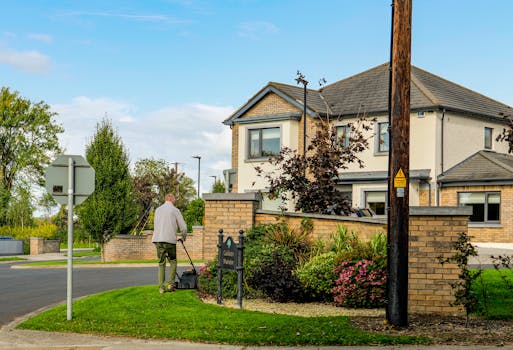
Then there’s the undeniable power of location, but let’s not stop at “good school district” or “close to amenities.” What truly drives appreciation in a neighborhood? It’s the evolving socio-economic landscape. Is the area attracting new businesses and job growth? Are infrastructure projects planned or underway – think new public transport links or revitalized commercial zones? These are signals of future demand and economic vitality.
I’ve often found that areas undergoing gradual gentrification, where thoughtful development meets existing charm, can experience sustained appreciation. It’s a delicate balance; too rapid a change can price out long-term residents, while stagnation leads to decay. The key is to observe the trend – is the neighborhood becoming more desirable, safer, and economically vibrant? This isn’t just about current desirability; it’s about forecasting future demand and the ability of the area to absorb future increases in property values.
The Invisible Hand: Macroeconomic Influences on Appreciation
It’s impossible to discuss real estate investment property appreciation without acknowledging the broader economic climate. Interest rates play a colossal role. Lower rates make mortgages more affordable, increasing buying power and demand, which naturally pushes prices up. Conversely, rising rates can cool the market. Inflation also has a complex relationship with real estate; while it can devalue currency, tangible assets like property often hold their value or even increase as a hedge against inflation.
Furthermore, job market trends and population growth are fundamental drivers. Areas with robust employment opportunities and a steady influx of new residents are inherently poised for greater appreciation. Think about how a major tech company opening a new campus can drastically alter the real estate landscape in a previously overlooked town. These macro-economic forces create the fertile ground upon which individual property appreciation can flourish. Understanding these cycles and anticipating shifts can be a game-changer for investors.
#### Unlocking Value: The Power of Effective Property Management
Let’s pivot to something often within an investor’s direct control: property management. Effective management is not just about collecting rent; it’s about preserving and enhancing the asset. A well-maintained property, with timely repairs and proactive upkeep, retains its value far better than one that’s neglected. Happy tenants, a direct result of good management, also tend to stay longer, reducing turnover costs and vacancy periods.
Consider the difference between a property that’s consistently advertised with high-quality photos and professional descriptions versus one that’s haphazardly presented. The former signals professionalism and care, attracting a higher caliber of tenant and potentially commanding higher rents, which then contributes to the overall perception of value. It’s interesting to note how the “intangible” benefit of being a responsive and reliable landlord can translate directly into tangible financial gains through sustained appreciation.
Navigating the Nuances: Strategies for Maximizing Appreciation
So, how do we actively encourage this appreciation? It’s a blend of informed decision-making and patient execution.
Strategic Renovation: Focus on updates with proven ROI. Think beyond aesthetics to functionality and future-proofing.
Location Intelligence: Don’t just buy in a trendy area; understand the drivers of that trend. Look for emerging neighborhoods with strong economic indicators.
Financial Prudence: Manage debt wisely. High-interest debt can erode appreciation gains. Explore refinancing options when rates are favorable.
Tenant Relations: Invest in good property management. Happy tenants are a sign of a well-cared-for asset, contributing to its long-term appeal and value.
* Market Monitoring: Stay informed about local and national economic trends, but don’t react impulsively. Patience is often a virtue in real estate.
It’s a fascinating journey, isn’t it? The appreciation of real estate investment property is a complex tapestry woven from tangible improvements, the subtle shifts in neighborhood desirability, broad economic currents, and the diligent stewardship of the property itself.
Embracing the Long Game: What’s Next for Your Portfolio?
Ultimately, understanding real estate investment property appreciation is about looking beyond the immediate cash flow and recognizing the latent potential within an asset. It’s about becoming a keen observer of trends, a thoughtful steward of your investment, and a patient participant in the market’s growth. The properties that appreciate the most are rarely just passive assets; they are often investments where strategic decisions and diligent care have laid the groundwork for enduring value.
Considering these interwoven factors, what aspect of real estate investment property appreciation do you believe is most often overlooked by new investors, and how might addressing that oversight fundamentally change their strategy?